7 Freelancer Habits That Help Make Tax Filing More Predictable
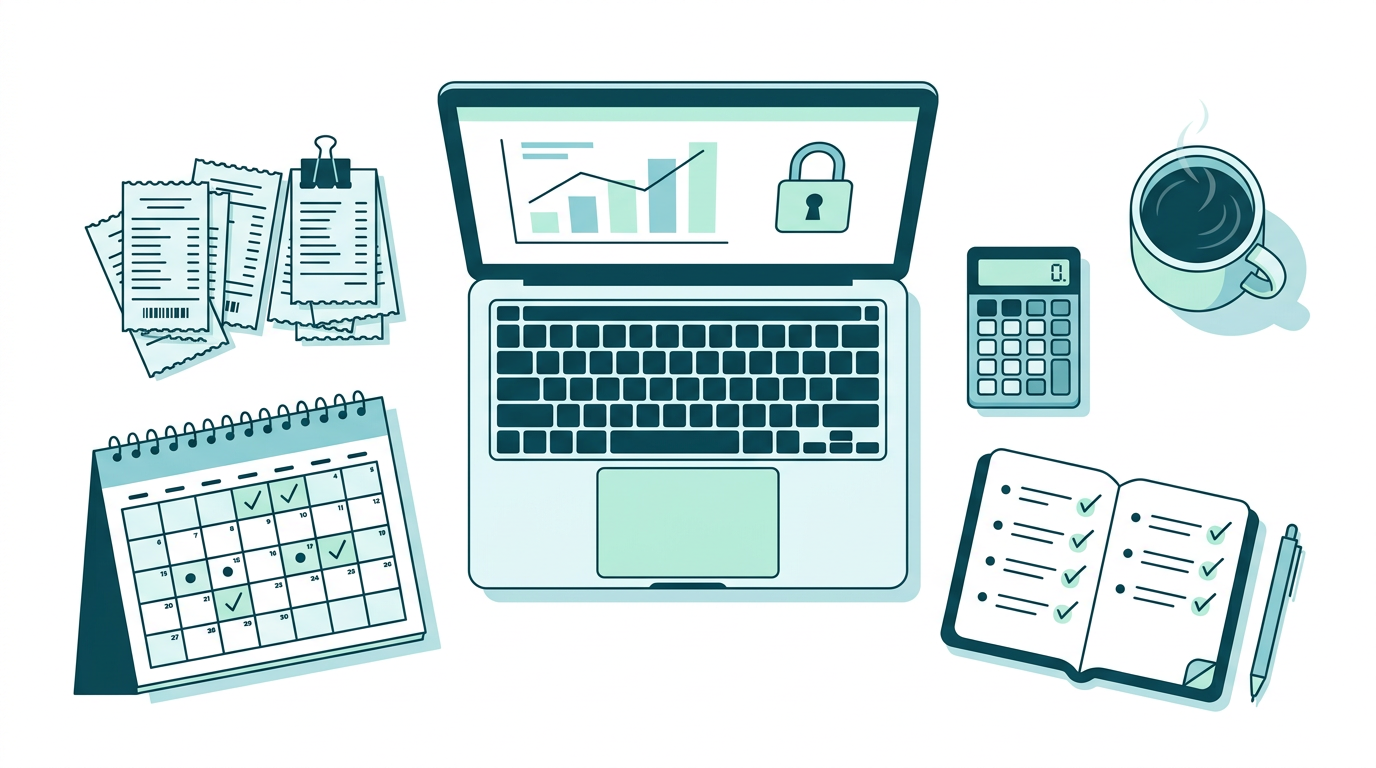
Certain freelancers seem to reach self assessment and tax deadlines without the usual last-minute pressure. Their workloads are not necessarily smaller, and their finances are not inherently easier to manage. What sets them apart is that they have developed routines that keep most of the work under control throughout the year, supported by tools that handle key tasks quietly in the background.
These habits are not especially difficult to establish. They call for some initial setup, a manageable amount of ongoing discipline, and a small group of carefully chosen tools. The following practices show what organised freelancers do differently and which tools help them remain prepared.
1. Sage Sole Trader: They Keep Financial Records Updated as They Go
One of the most important habits is using accounting software that maintains records continuously instead of leaving freelancers to rebuild everything in January. Sage Sole Trader connects with bank accounts, imports and categorises transactions, keeps track of outstanding invoices, and prepares self assessment figures through ordinary day-to-day use.
Freelancers who begin using Sage on the first day of the tax year can reach the self assessment deadline with eleven months of accurate, organised records already assembled. Filing then becomes a short review rather than a project that takes several days.
Why it matters: Continuous, automated record keeping makes every other filing-related responsibility easier to manage. The remaining habits work more effectively when this foundation is already in place.
2. Toggl Track: They Maintain a Clear Record of Their Working Hours
Freelancers who track their time consistently throughout the year can use those records in several ways when tax season arrives. Accurate time data supports correct invoicing, provides evidence for expense claims connected with specific client work, and reveals which kinds of projects are most profitable. Toggl Track is a straightforward time tracking tool that works across desktop and mobile with minimal friction.
For freelancers claiming a home office deduction, time tracking information can also help calculate the proportion of working time spent at home, which contributes to determining the allowable expense.
Why it matters: Comprehensive time records help support accurate invoices, defensible expense claims, and informed decisions about pricing and which types of work are worth pursuing.
3. Dext: They Capture Receipts Before They Can Be Misplaced
Freelancers who reach filing deadlines with complete expense records generally do not leave receipts to accumulate for later processing. Instead, they use Dext at the point of purchase, photographing each receipt so the relevant information can be extracted and sent directly into accounting software.
The routine is simple: a receipt is captured before there is time for it to be lost or forgotten. Repeating this throughout the year means legitimate business expenses remain recorded without requiring purchases to be reconstructed from bank statements.
Why it matters: Recording expenses in real time helps keep deduction records complete and removes one of the most time-consuming parts of year-end preparation.
4. Coconut: They Monitor Their Estimated Tax Liability Throughout the Year
Freelancers who are rarely surprised by their tax bill usually keep track of what they are likely to owe as the year progresses. Coconut analyses income as it arrives, calculates an estimated tax and National Insurance liability, and automatically places a corresponding amount into a dedicated pot.
Instead of discovering the bill in January and then trying to find the money, these freelancers approach the deadline with funds already set aside and a clear understanding of the amount owed.
Why it matters: Knowing the expected tax liability before the deadline reduces the financial shock that can make self assessment stressful.
5. MileIQ: They Keep Business Mileage Records Automatically
Freelancers who travel to client meetings, site visits, or events may have a legitimate mileage deduction available, but manual tracking can be tedious enough that eligible journeys are often missed. MileIQ runs automatically in the background on a smartphone, records each trip, and allows users to classify journeys as business or personal with a single swipe.
By the end of the tax year, a complete and categorised mileage log is ready to use in the self assessment return, with no need to reconstruct earlier travel.
Why it matters: Business mileage can provide a meaningful deduction, but inconsistent manual logging may cause some eligible journeys to go unrecorded. MileIQ automates the tracking process.
6. Contractbook: They Have a Signed Agreement Before Each Project Begins
Freelancers who consistently file on time often have income records that are easier to understand and reconcile. One reason is that they start every project with a properly signed contract that clearly sets out the scope, rate, and payment terms. Contractbook is a digital contract platform that makes creating professional agreements, sending them, and collecting signatures quick and straightforward.
Clear contracts can reduce disputes, partial payments, and uncomfortable conversations that might otherwise make income records harder to organise at year end.
Why it matters: Putting a signed contract in place before work begins creates clearer expectations around income, helping financial records stay organised and making self assessment easier to complete.
7. Monzo Business: They Keep Business and Personal Finances Separate
Freelancers who consistently meet tax deadlines commonly maintain a bank account dedicated to business activity. Monzo Business is a popular choice among freelancers because it combines a clean interface with automatic transaction categorisation and direct integration with accounting software.
When all business income and expenditure moves through one dedicated account, distinguishing commercial transactions from personal spending at tax time can take minutes instead of hours. The separation also makes it easier to assess the financial position of the business at any point during the year.
Why it matters: A dedicated business bank account is one of the simplest structural choices a freelancer can make to reduce the amount of work required at each tax deadline.
Frequently Asked Questions
Which habit should come first for freelancers whose tax records are currently disorganised?
Moving financial records into accounting software and opening a dedicated business bank account are the two essential foundations. Other routines, including receipt capture, mileage tracking, and monitoring tax liability, become easier and more effective once those structures are established. Freelancers can start with these basics and gradually introduce the remaining habits during the year.
How will Making Tax Digital for Income Tax change the self assessment process?
Freelancers earning above the income threshold will be required to submit quarterly digital updates to HMRC covering income and expenses for each three-month period, followed by a final annual declaration that replaces the single January return. For freelancers who already maintain digital records throughout the year, the transition is straightforward. Quarterly updates are relatively brief, and the annual process becomes simpler because much of the required information has already been reported.
Are the tools listed here generally deductible as business expenses?
Generally, yes. Software and app subscriptions used for business purposes, including accounting software, receipt capture tools, time tracking, and mileage tracking, are typically allowable business expenses under HMRC rules. The cost must be incurred wholly and exclusively for business purposes. Recording what each subscription is used for at the time of purchase can make the deduction easier to justify later.
What penalties apply if self assessment is submitted after the deadline?
A return filed after the 31st of January deadline automatically incurs a one hundred pound penalty, regardless of whether any tax is owed. Additional penalties are added after three months and six months of continued non-filing, while interest accrues on unpaid tax from the deadline date. Following the habits described above helps ensure filing dates are anticipated and the necessary records are ready in advance.
Is it better to submit self assessment early or wait until the deadline is closer?
Filing early is almost always preferable. It confirms the tax liability sooner, gives freelancers more time to arrange payment if necessary, and reduces the risk that missing information or technical problems will cause a last-minute delay. Many freelancers with organised records file in April or May, shortly after the new tax year begins, using the information they maintained throughout the previous year.
|